The short answer
Informational traffic dropped. Local and buying-intent search didn't. Put your effort into your Google Business Profile, reviews, and service pages that answer questions directly.
What this means for you
- Google now answers many 'how' and 'what' questions itself. Blog posts written to catch that traffic have lost most of their value.
- Searches with buying intent ('near me', 'cost', 'best', 'emergency') still send clicks and calls. That's where small businesses earn money anyway.
- Google rewards first-hand experience: real photos, real prices, real staff, real answers. Generic, obviously AI-written pages are being filtered out.
- The fundamentals didn't change: a fast site, clear pages per service and location, consistent listings, steady reviews.
If you’ve read anything about SEO this year, you’ve read that it’s dead, or that everything changed, or that you need to start over. Here’s what we’ve actually seen across client accounts.
What changed
AI answers took the informational clicks. When someone searches “how to unclog a drain,” Google answers it at the top. The plumber’s blog post that used to get that click mostly doesn’t anymore. If your strategy was “publish lots of helpful articles and hope some readers become customers,” it’s producing less than it did.
Google got stricter about who wrote the page. The updates over the last two years favor pages with evidence of real experience: photos you took, prices you charge, staff who exist, answers that could only come from doing the work. Pages that read like they were generated from a template are being pushed down, whether a human or an AI generated them.
Reviews and Business Profiles matter more. With AI summarizing options, Google leans harder on trust signals it can verify. Rating, review count, review recency, and how completely your profile is filled out all carry more weight than they did.
What didn’t change
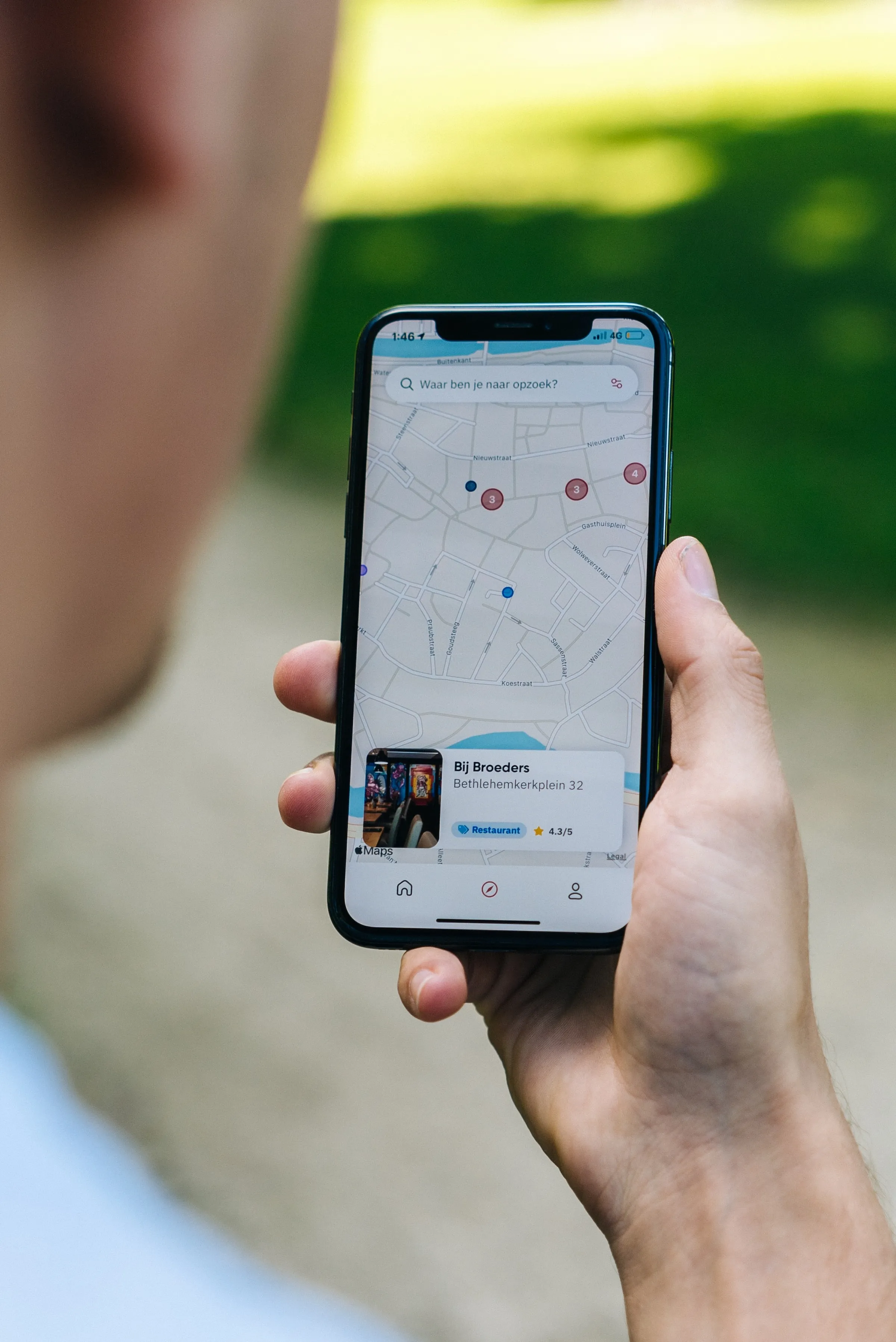
Buying-intent searches still convert. “Emergency electrician Tulsa,” “dental implants cost,” “best daycare near me.” These searches still show the map pack and organic results, and they still send calls. This is where small business revenue comes from, and it’s largely intact.
The basics still work. One clear page per service. One per location if you serve several. A site that loads fast on a phone. The same name, address and phone everywhere. Fresh reviews. None of that is exciting, and all of it still moves rankings.
Links still count. Mentions from local news, suppliers, associations and directories still tell Google you’re real. Quality over quantity is truer than ever.
Where the money should go now
Less into general blog content. More into service and location pages written as direct answers, your Business Profile, a review system, and technical health. If you do content, make it about your specific work: the projects, the prices, the questions customers ask you on the phone.
That’s the shape of every SEO plan we run now, and it’s why we track calls and leads, not just rankings.
What to do this week
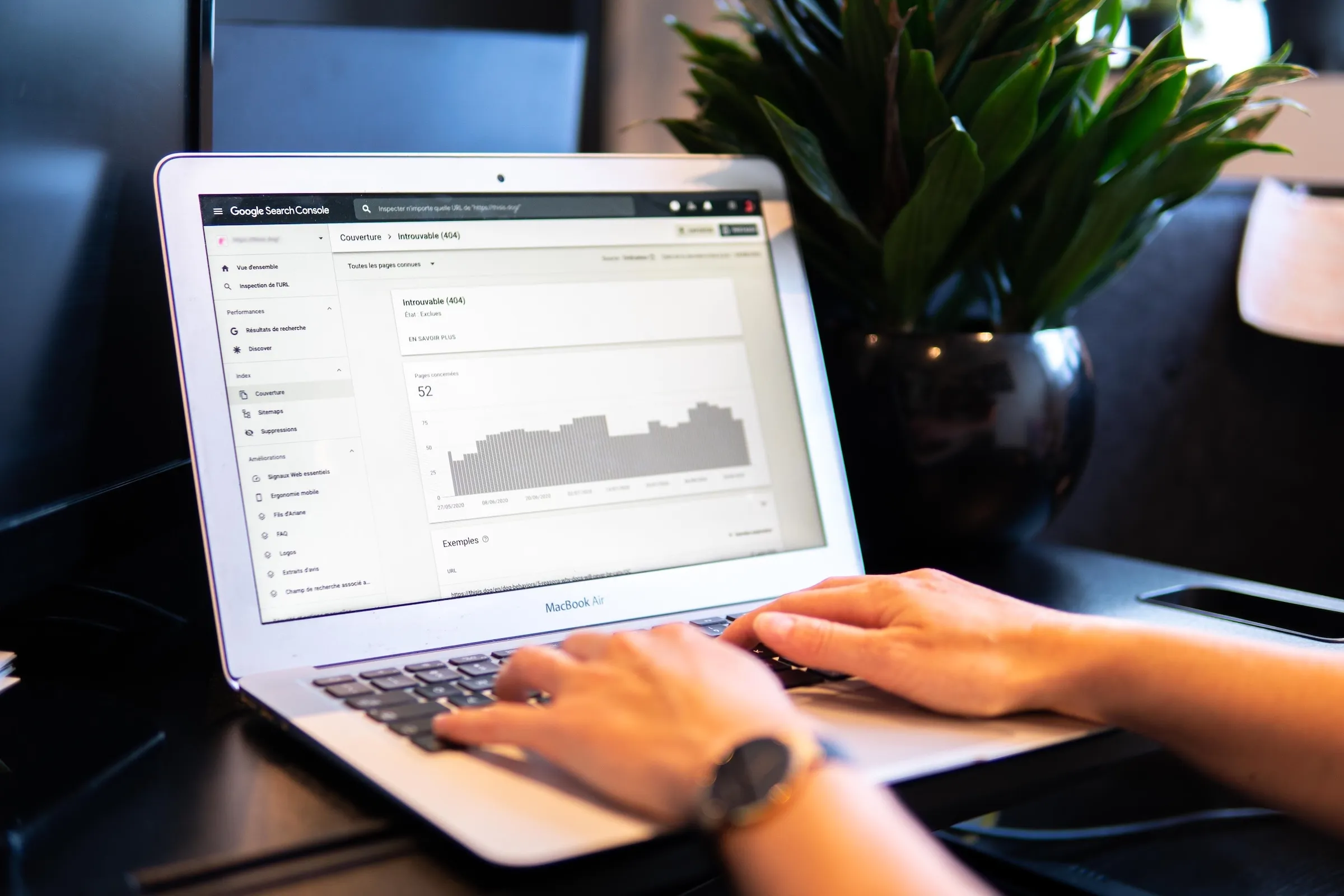
- 01Look at your Search Console for the last 3 months. Which pages lost clicks? If they're general how-to posts, stop investing there.
- 02List every service and every area you serve. Each combination that matters should have its own clear page. Most small sites are missing half.
- 03Add real photos of your work, your team and your location to your Business Profile and your site this week.
- 04Check your site's mobile speed and fix the worst page. Speed is still a ranking factor and a conversion factor.